
All articlesrental property inspection
Rental Property Exit Inspection: What Inspectors Look For
Inspectra AI Team November 23, 2026 9 min read
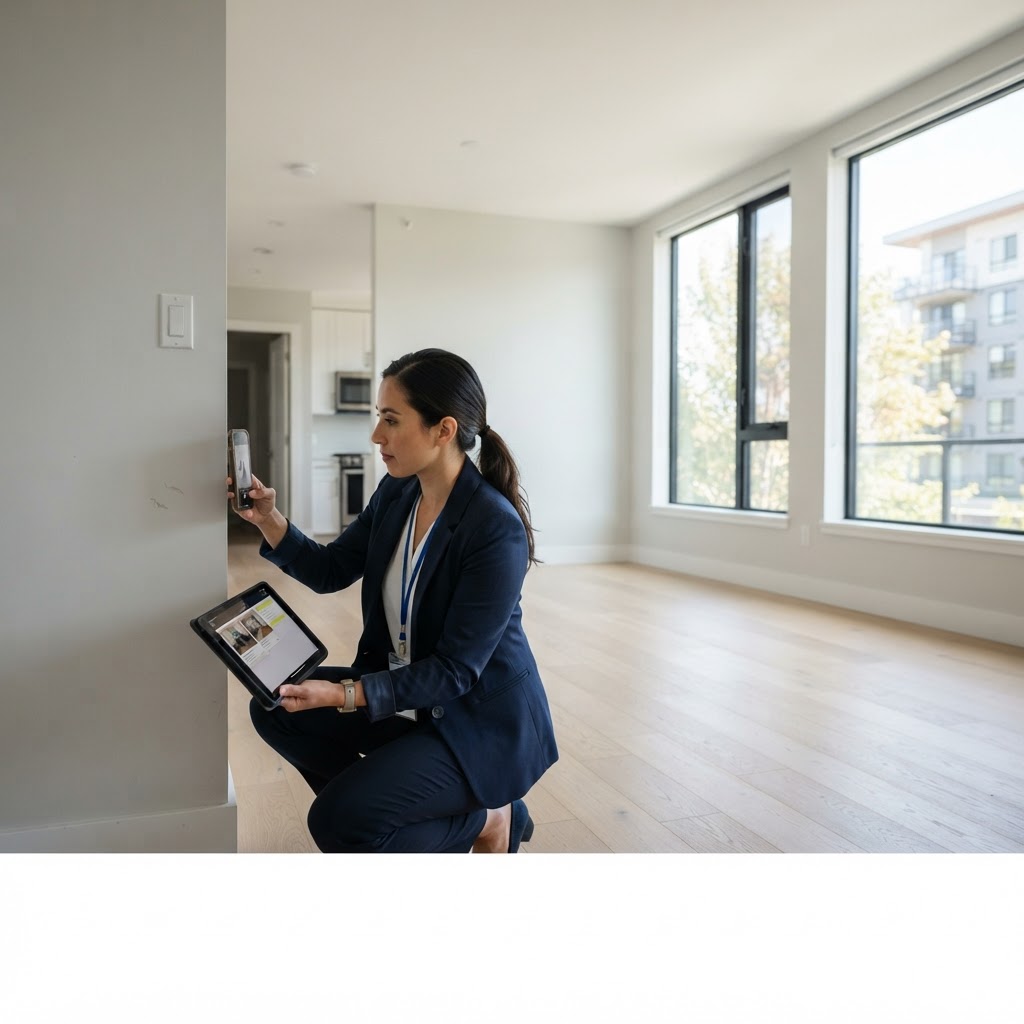
A rental property exit inspection — also called a vacate inspection or move-out inspection — is a systematic assessment of a property's condition after a tenant vacates, compared against the original entry condition report. Inspectors document damage beyond fair wear and tear, assess cleanliness, and verify that all fixtures, fittings, and inclusions are present and functional. The findings directly determine whether a landlord can make a claim against the tenant's security deposit (bond).
Exit inspections are higher-stakes than routine periodic inspections. The outcome directly affects the return of a security deposit — which in Australia averages four weeks' rent, in the UK is capped at five weeks' rent under the Tenant Fees Act 2019, and in the US varies by state but is commonly one to two months' rent.
The legal framework matters. In Australia, residential tenancy legislation in each state — such as the Residential Tenancies Act 2010 (NSW), the Residential Tenancies Act 1997 (VIC), and equivalent Acts in other states — prescribes how condition reports must be prepared and what constitutes a valid bond claim. In the UK, the Tenancy Deposit Scheme (TDS) and equivalent approved schemes require structured evidence. In the US, state landlord-tenant statutes set timelines and documentation requirements.
Fair wear and tear (also called ordinary wear and tear) refers to the gradual deterioration that results from normal, everyday use of the property — faded paintwork, minor carpet pile flattening, small scuff marks on walls. This is not chargeable to the tenant. Damage caused by negligence, misuse, or accidents — stains, holes in walls, broken fixtures — is chargeable. Distinguishing the two is the inspector's core skill at exit.
Before arriving on site, a thorough inspector will:
The kitchen is typically the most time-intensive area of an exit inspection.
In many tenancy agreements, tenants are responsible for lawn mowing, weeding, and basic garden maintenance.
Australian tenancy tribunals (NCAT in NSW, VCAT in VIC, QCAT in QLD), UK deposit scheme adjudicators, and US small claims courts all expect the same standard of evidence:
| Evidence type | Minimum standard | |---|---| | Photographs | Timestamped, in focus, wide-angle + close-up pairs | | Entry vs exit comparison | Side-by-side images for disputed items | | Written description | Specific location, dimensions where relevant, severity | | Quotes or invoices | Required to quantify most bond deductions | | Witness or agent signature | Strengthens dispute resolution outcomes |
Measurable detail strengthens claims. "Stain on carpet in master bedroom, approximately 30 cm diameter, unable to be removed by standard cleaning" is far more defensible than "carpet stained."
Cleaning disputes are the single most common source of bond claim disputes across Australia, the UK, and the US. Inspectors should photograph every surface that requires professional cleaning, noting specifically what standard was not met.
Fair wear and tear disagreements are resolved by referencing tenancy duration and the age and condition of the item at entry. A ten-year-old carpet showing pile wear after a three-year tenancy is not damage.
Missing items — keys, remote controls, furniture listed in an inventory — must be referenced against the original entry condition report or inventory schedule.
Pre-existing damage claimed by tenants is only defensible if the entry report documented it. This is why a thorough entry report protects both parties equally.
Field inspectors increasingly use AI platforms to convert voice notes and site photos taken during the inspection into structured, legally coherent condition reports. This reduces report turnaround from several hours to under 30 minutes in many cases.
Platforms like Inspectra AI are specifically built for property inspection workflows — the inspector captures observations on site, and the platform generates a formatted report with photo references, categorised findings, and narrative descriptions ready for human review and sign-off. This matters for exit inspections because speed is often critical: most jurisdictions have strict windows (14–30 days in Australian states) within which bond claims must be lodged.
The human-approval step remains essential. AI generates the structure; the inspector validates the findings and applies professional judgment — particularly on the fair wear and tear vs damage distinction, which requires contextual knowledge no algorithm can fully replace.
A periodic inspection is conducted during the tenancy to check general property condition and identify maintenance issues. An exit inspection occurs after the tenant vacates and is a formal assessment against the original entry condition report, with direct implications for bond refund or deduction.
A standard residential property (3–4 bedrooms) typically takes 45–90 minutes on site, depending on the level of documentation required. Properties with significant damage or a lengthy inventory take longer. Preparing a formal written report adds time unless AI-assisted tools are used.
In most Australian states, tenants have the right to attend the exit inspection. This is also common practice in the UK and many US states. Joint inspections reduce disputes because issues can be discussed and sometimes resolved on the spot.
Cleaning (oven, carpets, bathrooms), damage to walls (holes, marks beyond minor wear), broken fixtures, missing keys or remote controls, and unaddressed garden maintenance are the most frequent deduction categories across Australian, UK, and US jurisdictions.
In most Australian states, a condition report is a mandatory document under residential tenancy legislation. In the UK, while not mandated by statute, a detailed checkout report is required by all three government-approved deposit protection schemes to process any deductions. US requirements vary by state, but documentation is always advisable.
Document everything with timestamped photos and written descriptions before engaging with the tenant. Where damage is disputed, obtain at least one written trade quote to establish the cost. If the dispute escalates, the condition report and photographic evidence form the basis of any tribunal or adjudication hearing.
Exit inspections are methodical, evidence-driven assessments that protect both landlords and tenants. The quality of the entry condition report determines how defensible any exit claim will be, and the quality of the exit documentation determines whether that claim will succeed. Inspectors who work systematically — room by room, surface by surface, with timestamped photos and precise written descriptions — produce reports that hold up under scrutiny.
If you're conducting exit inspections at scale or under time pressure, start a free trial with Inspectra AI to see how AI-assisted reporting can cut documentation time without compromising the professional standard your clients require.