
All articlesfacility inspection
Mechanical and Electrical Inspection Cost: Full Pricing Guide
Inspectra AI Team October 27, 2026 10 min read
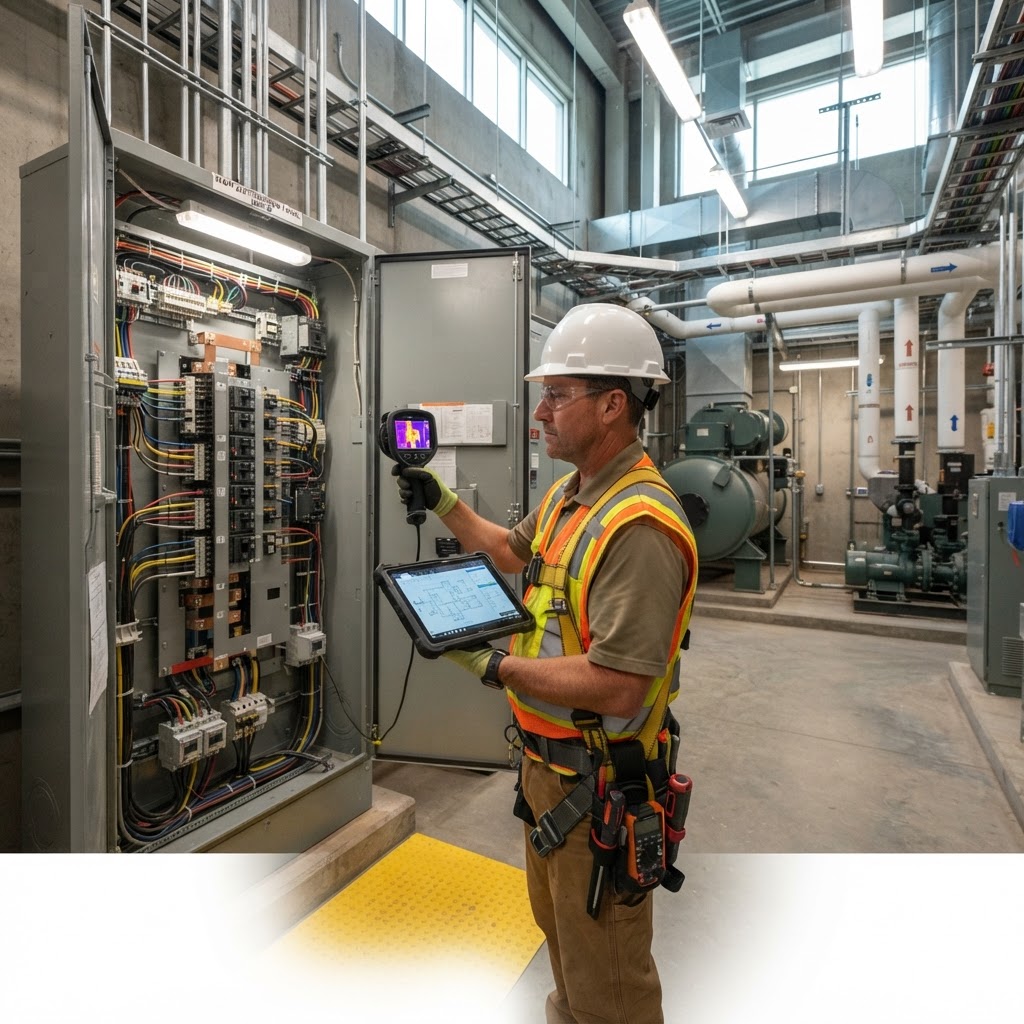
Mechanical and electrical (M&E) inspections typically cost between $500 and $8,000 AUD (or $400–$6,000 USD / £300–£5,000 GBP) depending on building size, system complexity, and inspection scope. Smaller commercial premises at the lower end; large industrial or multi-storey buildings at the upper. Understanding what drives those numbers helps you budget accurately and avoid paying for scope you don't need.
Before diving into costs, it helps to know exactly what you're buying. An M&E inspection is a systematic assessment of a building's mechanical systems (HVAC, hydraulics, fire services, lifts/elevators) and electrical systems (switchboards, distribution boards, wiring, earthing, emergency lighting, and data infrastructure).
The inspection scope differs from a general facility inspection (which covers structural elements, finishes, and building fabric) and from a preventive maintenance audit (which is ongoing and operational). An M&E compliance inspection is specifically about verifying that installed systems meet the relevant code at a point in time.
Relevant standards include:
The table below provides typical market ranges. Prices are indicative and exclude GST/VAT. Regional labour rates, travel, and urgency premiums apply.
| Building Type | Electrical Only | Mechanical Only | Bundled M&E | |---|---|---|---| | Small retail / café (< 500 m²) | $500–$900 AUD | $600–$1,000 AUD | $900–$1,500 AUD | | Medium office (500–2,000 m²) | $1,200–$2,500 AUD | $1,500–$3,000 AUD | $2,200–$4,500 AUD | | Large commercial (2,000–10,000 m²) | $3,000–$5,500 AUD | $3,500–$6,000 AUD | $5,000–$9,500 AUD | | Industrial / warehouse | $2,000–$6,000 AUD | $2,500–$5,000 AUD | $4,000–$9,000 AUD | | Strata / apartment complex | $1,800–$4,500 AUD | $2,000–$5,000 AUD | $3,000–$7,500 AUD |
USD equivalents: multiply by approximately 0.65. GBP equivalents: multiply by approximately 0.52.
Inspectors price by time on site. A single-storey 400 m² café might take 3–4 hours; a 12-storey mixed-use building could require a two-person team for two full days. Most inspectors charge a base fee plus a per-floor or per-m² rate for larger buildings.
Older buildings — particularly those built before the 1990s — often have legacy wiring (e.g. aluminium conductors, pre-RCBO switchboards) that requires more careful assessment. Inspectors factor this in with a complexity surcharge, typically 10–20% on top of base rates.
A building with a basic split-system HVAC and a single distribution board is straightforward. A building with chillers, cooling towers, BMS (Building Management System) integration, multiple transformer rooms, and rooftop plant is not. Each additional system type adds inspection time and requires a specialist.
For large or complex buildings, mechanical and electrical disciplines are inspected simultaneously by different licensed practitioners. Two inspectors on site doubles the labour cost but halves the time — and reduces your building downtime.
A basic pass/fail compliance certificate costs less than a detailed defect schedule with photographic evidence, remediation priorities, and cost estimates. If your insurer, local council, or lease agreement requires a specific report format, confirm this before requesting quotes — scope creep at the report stage is a common source of unexpected charges.
After-hours inspections (e.g. for 24/7 operational facilities) attract a 25–50% premium. Rural and regional locations typically incur travel fees of $100–$400 AUD depending on distance. Interstate inspections may require inspector accommodation.
Electrical inspections are the more frequently mandated of the two disciplines. Triggers include:
Thermal imaging — using an infrared camera to identify overheating connections — is one of the highest-value add-ons available. A failed connection inside a switchboard panel can cost tens of thousands in damage. The test itself adds minimal time.
Mechanical inspections cover a broader scope and are often phased. A facility manager might commission:
Fire services inspections are often quoted separately from general mechanical inspections due to licensing requirements. Typical costs:
| Scope | Indicative Cost (AUD) | |---|---| | Basic fire detection system (< 50 devices) | $400–$800 | | Sprinkler system (per zone/level) | $300–$600 per zone | | Full AS 1851 annual inspection (medium building) | $1,500–$4,000 | | Full AS 1851 annual inspection (large building) | $4,000–$10,000+ |
Vague scope produces vague quotes. Before approaching inspectors, prepare the following:
Providing this information upfront typically reduces quote variation by 30–40% and avoids scope disputes after the inspection.
Yes — here's how experienced facility managers do it:
Frequency depends on jurisdiction and building type. In Australia, AS 1851 fire services inspections are typically annual. Electrical safety inspections are commonly required every 5 years for commercial premises, or at change of tenancy. UK EICRs are required every 5 years for commercial premises under BS 7671 guidance. US requirements vary by state and insurer.
No. An M&E inspection verifies that systems comply with relevant standards at a point in time and typically produces a compliance certificate or defect report. A maintenance audit assesses whether ongoing maintenance practices are adequate. You may need both, but they are separate engagements with different outputs.
In Australia, electrical inspections must be conducted by a licensed electrical inspector or accredited certifier. Mechanical inspections vary — HVAC work requires a licensed refrigeration mechanic for refrigerant-related assessments, while fire services require a licensed fire protection technician. In the UK, electrical inspections should be conducted by a competent person registered with NICEIC, NAPIT, or equivalent. In the US, NFPA 70E compliance assessments are typically conducted by qualified electrical workers or third-party auditors.
A thorough report should include: a description of each system inspected, test results against the relevant standard, identified defects with photographic evidence, a priority rating for each defect (urgent/major/minor), and a compliance statement. Some inspectors also include cost estimates for remediation.
Sometimes, but not always. Insurance underwriters often have specific documentation requirements — particularly for EICRs or thermal imaging reports. Local council compliance certificates may require a specific form issued by a licensed certifier. Confirm with both parties before commissioning the inspection to avoid duplicating work.
Minor defects are typically documented with a recommended remediation timeframe. Major defects may result in a conditional compliance certificate requiring rectification within 30–90 days. Critical defects — such as an unsafe switchboard or a failed sprinkler zone — may require immediate shutdown of affected systems and urgent rectification before a compliance certificate is issued.
Mechanical and electrical inspection costs are predictable once you understand the variables. Building size, system complexity, and required report format are the three biggest drivers. Bundling disciplines, preparing documentation in advance, and using structured digital reporting tools are the most effective ways to control costs without compromising compliance.
If you're managing multiple sites or need to produce inspection reports that hold up to insurer and regulator scrutiny, Inspectra AI helps inspectors capture, structure, and deliver professional M&E inspection reports directly from the field — reducing report turnaround from days to hours.