
All articlespest inspection
Pest Inspection Cost: A Complete Pricing Guide
Inspectra AI Team September 26, 2026 10 min read
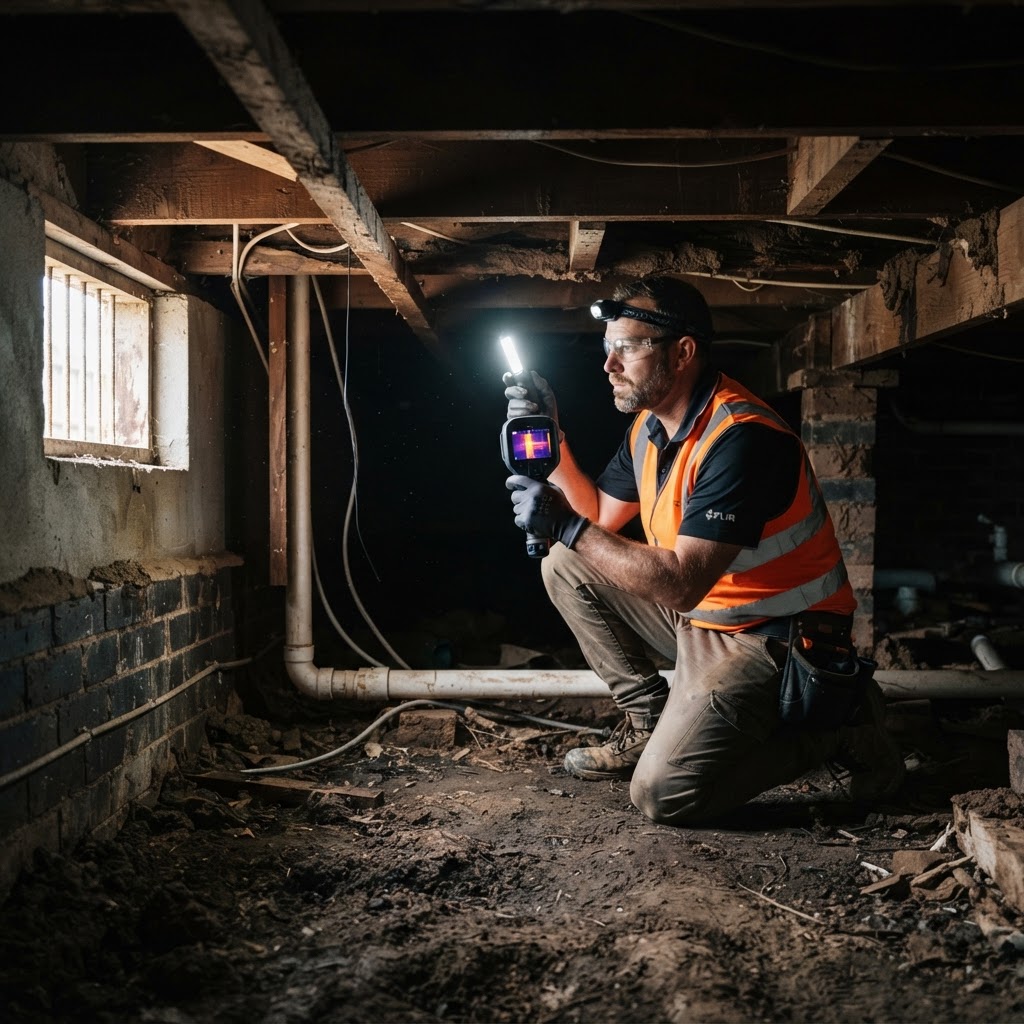
A standard pest inspection costs between $150–$350 AUD in Australia, $75–$300 USD in the United States, and £100–£250 in the UK — though prices shift significantly based on property size, pest type, and report complexity. Understanding what drives those numbers helps inspectors price their services accurately and helps property professionals budget without surprises.
A pest inspection (also called a timber pest inspection in Australia, a WDO inspection in the US, or a structural pest survey in the UK) is a visual and, where accessible, physical assessment of a property for evidence of pest activity, pest damage, and conditions conducive to infestation.
In Australia, timber pest inspections are governed by AS 4349.3–2010, which defines the scope, reporting requirements, and limitations of inspections for subterranean termites, borers, wood decay fungi, and other timber pests. In the US, WDO inspections follow state-specific regulations and, for federally backed loans, guidelines from the HUD/VA Handbook. In the UK, structural pest surveys are less standardised but often align with RICS guidance notes on building surveys.
Key areas inspected typically include:
Australia has some of the highest termite pressure in the world, which makes pest inspections a standard part of every pre-purchase property transaction.
| Property type | Typical cost (AUD) | |---|---| | Unit / apartment | $150–$220 | | House under 400 m² | $200–$300 | | House 400–800 m² | $280–$400 | | Large acreage or rural property | $350–$600+ | | Combined building + pest inspection | $400–$700 |
Prices are generally higher in Sydney and Melbourne than in regional areas. Some inspectors charge a flat fee; others price by floor area.
In the US, pest inspection pricing varies by state and pest pressure. Termite activity is highest in the Southeast and Gulf Coast states, where inspections are nearly always required for real estate transactions.
| Inspection type | Typical cost (USD) | |---|---| | WDO / termite inspection (visual only) | $75–$150 | | Full pest inspection (multiple pests) | $150–$300 | | Pre-listing inspection | $100–$200 | | Annual maintenance inspection | $75–$125 |
Note: many pest control companies offer free or heavily discounted inspections when the property owner is likely to purchase treatment. Independent inspectors charge more but have no conflict of interest.
The UK does not have the termite risk that Australia and the US face, so pest inspections are less routine in property transactions. They are typically commissioned when there is a specific concern — timber beetle (woodworm), dry rot, damp combined with pest activity, or rodent ingress.
| Inspection type | Typical cost (GBP) | |---|---| | Targeted pest survey (single pest type) | £100–£180 | | Full structural pest survey | £180–£350 | | RICS Level 2 / Level 3 survey with pest section | included in £400–£900 survey fee |
Larger properties take longer to inspect. Difficult access — low subfloors, cluttered roof voids, dense landscaping around the perimeter — adds time and therefore cost. Inspectors who fail to account for accessibility in their quotes often undercharge and then rush the job.
A standard termite or WDO inspection is narrower in scope than a full pest inspection covering rodents, cockroaches, stored-product insects, and timber pests simultaneously. Some commercial or strata engagements require all of the above plus written risk assessments.
A hand-written or basic PDF report delivered the next day commands lower fees than a structured digital report with annotated photos, GPS-tagged findings, and same-day delivery. As the market has shifted toward digital reporting, the cost gap between cheap and professional reports has narrowed — but the speed and quality gap has widened.
Platforms like Inspectra AI allow inspectors to turn voice notes, field photos, and observations into structured, professional reports in a fraction of the time. Faster turnaround means inspectors can complete more jobs per day, which changes the economics of pricing.
In Australia especially, buyers almost always order a combined building and pest inspection. Inspectors who offer both services, or who partner with a building inspector to deliver a combined report, can charge a bundle price ($400–$700 AUD) that undercuts two separate bookings while improving margin per visit.
Metro areas attract higher base rates due to higher operating costs. Rural and remote properties often attract a travel surcharge of $50–$150 or more. Always clarify whether a quoted fee includes travel.
If you are a pest inspector reviewing your fee structure, consider these three approaches:
Flat-fee tiers by property size Simple, easy to communicate, and scalable. Example: $200 for units, $260 for houses up to 400 m², $320 for houses up to 700 m², $POA above that.
Time-plus-equipment pricing Charge an hourly rate (typically $100–$180/hr for a licensed inspector in Australia) plus equipment surcharges for thermal imaging. Transparent but harder to quote upfront.
Value-based pricing for premium reports If your reports are digital, photo-rich, same-day, and compliant with AS 4349.3, you can charge at the top of the market. Many buyers and agents will pay a premium for speed and professional presentation, especially in competitive real estate markets.
Property managers, strata managers, and insurance adjusters commissioning pest inspections should ask the following before accepting a quote:
A $99 pest inspection sounds attractive but often indicates one or more of the following:
A non-compliant or superficial report that misses an active termite infestation can result in tens of thousands of dollars in damage — and potentially no recourse against the inspector if the report was not AS 4349.3 compliant or if the inspector was uninsured.
The inspection industry is shifting. Buyers and agents expect faster reports. Insurance adjusters want structured data, not PDFs. Strata managers are coordinating inspections across dozens of lots and need consistent formats.
Inspectors who adopt digital field tools — capturing observations via voice note, photo, and structured field data, then using AI to compile a compliant, professional report — can reduce report-writing time by 60–80%. That time saving either improves margin at current pricing or allows inspectors to reduce price slightly while protecting profitability.
Start a free trial with Inspectra AI to see how automated report drafting works in practice for pest inspection workflows.
For a standard residential house, expect to pay $200–$300 AUD for a timber pest inspection compliant with AS 4349.3–2010. A combined building and pest inspection typically costs $400–$700 AUD depending on property size and location.
In Australia, pest inspections are not legally required but are strongly recommended and are standard practice in most states. For US federally backed loans (FHA, VA), a WDO report is typically required by the lender. In the UK, pest surveys are optional but often recommended when a building survey flags timber or damp concerns.
A thorough inspection of a standard house (250–400 m²) should take 60–90 minutes on site. Anything significantly faster is a red flag. Larger properties, difficult access, or active infestations will extend inspection time.
A pest inspection focuses solely on evidence of pest activity and pest damage — primarily timber pests in Australia. A building and pest inspection combines this with a structural and defect assessment of the property under AS 4349.1–2007 (building) and AS 4349.3–2010 (pest). Most Australian buyers commission both simultaneously.
Yes. AS 4349.3 is a visual inspection standard with defined limitations. Inspectors cannot open wall cavities, move heavy furniture, or inspect inaccessible areas. Thermal imaging reduces (but does not eliminate) the risk of missed infestations. The report must document all accessibility limitations.
In Australia, inspectors must hold a state pest management licence and should carry professional indemnity and public liability insurance. Membership of industry bodies such as the Australian Environmental Pest Managers Association (AEPMA) indicates ongoing professional development. In the US, look for state WDO certification and membership of NPMA (National Pest Management Association).
Pest inspection pricing ranges from $75 USD / $150 AUD at the budget end to $350+ AUD / $300 USD for comprehensive, equipment-assisted inspections on larger properties. The cheapest quote is rarely the best value — particularly when a missed infestation can result in damage bills that dwarf the inspection fee many times over.
For inspectors, the fastest way to justify premium pricing is to deliver premium reports: compliant, photo-documented, clearly written, and fast. Inspectra AI helps pest inspectors do exactly that — turning field notes into professional, publish-ready reports so you can spend more time on site and less time at your desk.