
All articlespest inspection
Pest Inspection Mistakes That Invalidate Your Report
Inspectra AI Team September 11, 2026 2 min read
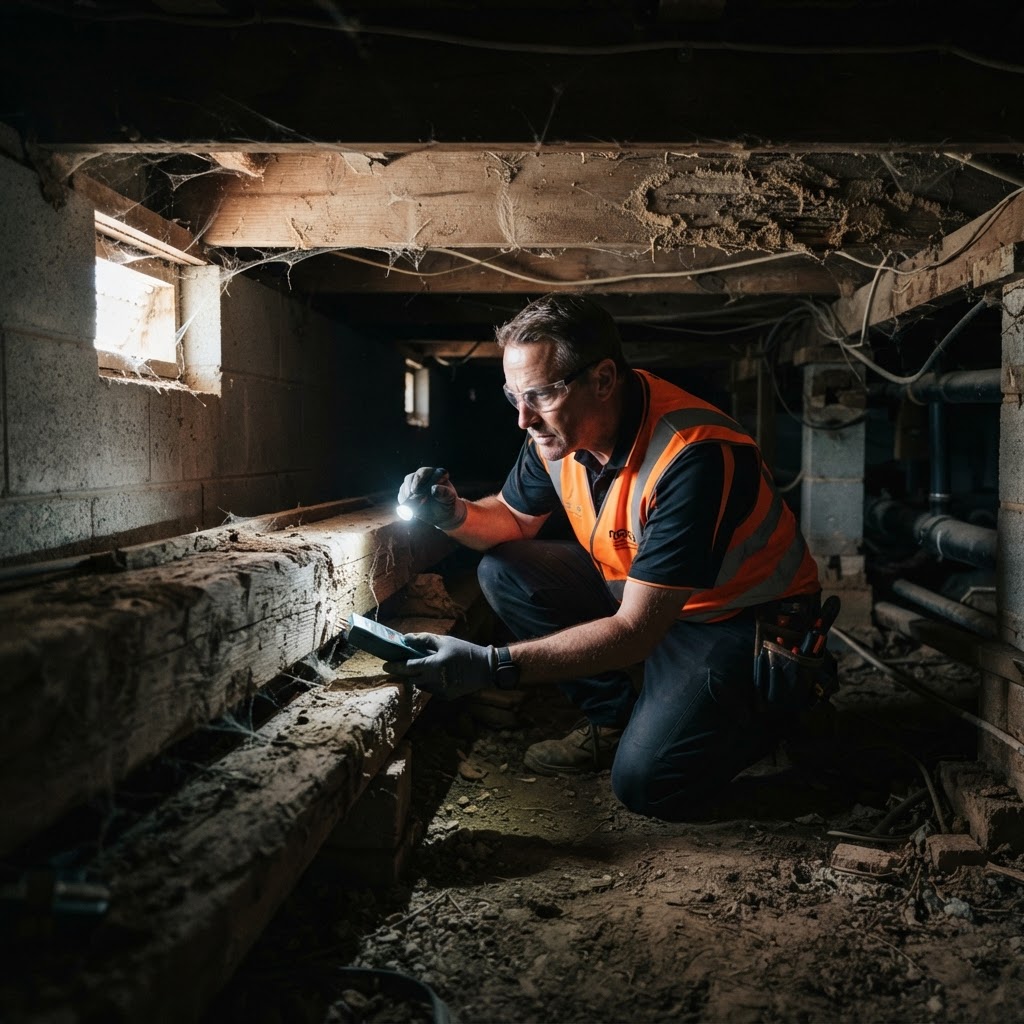
A pest inspection report is only as good as the methodology behind it. Miss a subfloor void, skip a moisture reading, or document findings ambiguously, and you risk issuing a report that fails the client, exposes you to liability, and doesn't hold up to scrutiny from insurers or conveyancers.
Pest inspections sit at the intersection of science, liability, and client expectation. In Australia, they're governed by AS 4349.3-2010 (Inspection of buildings — Timber pest inspections). In the US, many states reference InterNACHI's Standards of Practice or require a licensed pest control operator (PCO) report. In the UK, RICS guidance and the Property Care Association (PCA) Code of Practice set the benchmark for wood-boring insect and damp surveys.
Across all three markets, the complaints and legal disputes that arise from pest inspections share a common thread: not that the inspector missed something obvious, but that the report failed to clearly state what was inspected, what limitations applied, and what evidence was found or not found.
Here are the most consequential mistakes inspectors make — and how to avoid them.
Every pest inspection has limitations. Concealed wall cavities, inaccessible roof spaces, furniture-filled rooms, and locked outbuildings all constrain what you can assess. The mistake isn't encountering those limitations — it's not documenting them explicitly.
What to do instead:
A common failure mode: inspectors note