
All articlespre-purchase inspection
Pre-Purchase Property Inspection Costs: Full 2024 Guide
Inspectra AI Team October 29, 2026 9 min read
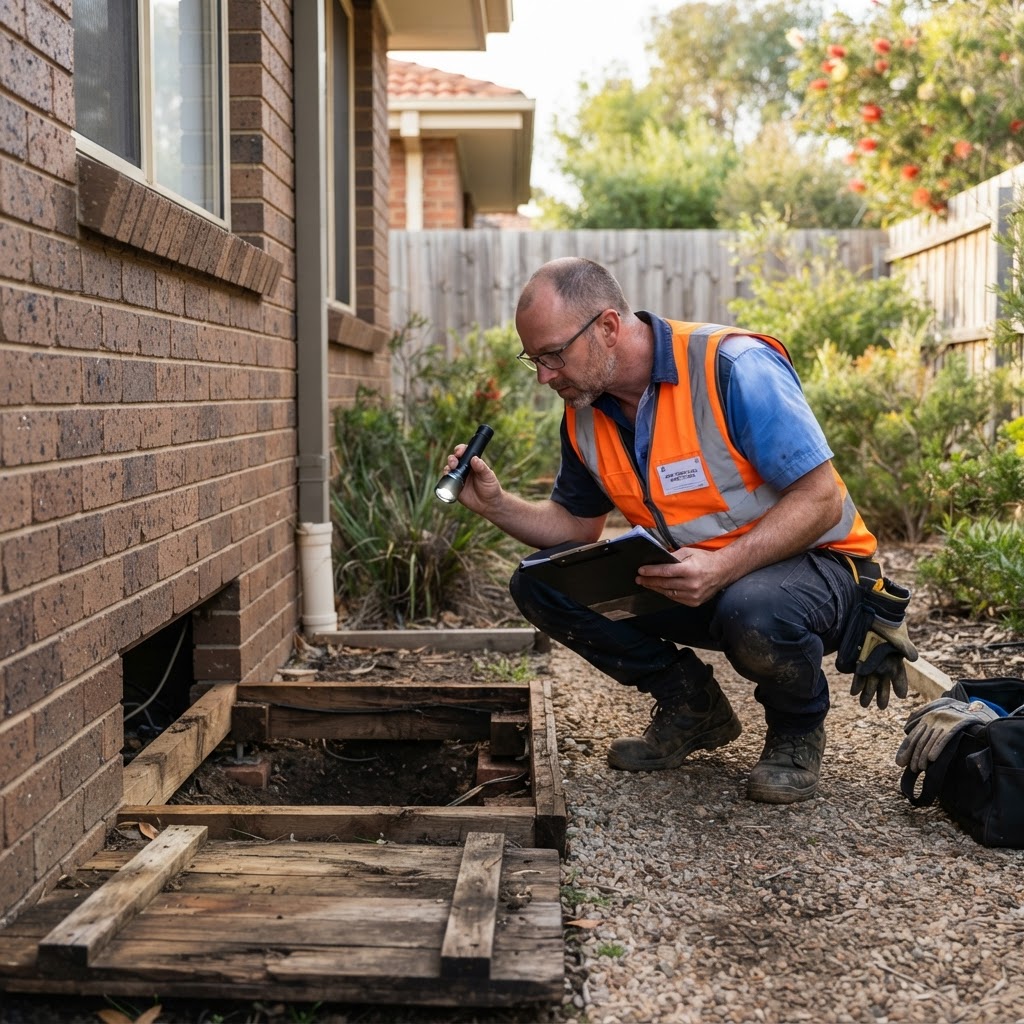
A pre-purchase property inspection typically costs between AU$300–$800 in Australia, US$300–$500 in the United States, and £300–$600 in the UK, depending on property size, location, and inspection scope. Getting this wrong — either skipping it or choosing the cheapest option — can cost far more when hidden defects surface after settlement. This guide breaks down exactly what you pay for, what drives price differences, and how to assess value.
Pricing is rarely arbitrary. Inspectors price based on time, risk, and overhead. Understanding the cost drivers helps you compare quotes accurately.
The single biggest variable is floor area. A studio apartment might take 90 minutes; a four-bedroom house with a double garage, deck, and pool can take three or more hours. Most inspectors price in bands:
| Property size | Typical AU$ range | Typical US$ range | Typical UK £ range | |---|---|---|---| | Apartment / unit | $300–$450 | $250–$350 | £250–£400 | | Small house (< 200 m²) | $400–$550 | $300–$400 | £300–£500 | | Large house (200–400 m²) | $500–$700 | $400–$500 | £400–£600 | | Large or heritage property | $700–$1,000+ | $500–$700+ | £550–£900+ |
Older properties, heritage listings, and homes with complex roof structures, basements, or subfloor access take longer and carry higher professional liability — both factors push the price up.
In Australia, it is standard practice to commission a building and pest inspection (sometimes called a B&P) together. Termites and other timber pests are a significant risk in most Australian states, and AS 4349.3-2010 governs timber pest inspections as a separate but related standard.
A combined B&P inspection typically costs AU$450–$750 and offers better value than two separate appointments. In the US and UK, pest or termite surveys are often a separate line item; a wood-destroying organism (WDO) inspection in the US typically adds US$75–$150.
Urban properties in Sydney, Melbourne, London, or New York command higher prices than regional equivalents — not just because of living costs, but because inspectors carry higher professional indemnity insurance in high-value markets. Rural or remote properties may attract a travel surcharge of AU$50–$150 depending on distance.
In Australia, building inspectors must be licensed builders or registered building surveyors in most states. In the US, certification bodies like InterNACHI (International Association of Certified Home Inspectors) and ASHI (American Society of Home Inspectors) set minimum competency standards but licensing requirements vary by state. In the UK, RICS (Royal Institution of Chartered Surveyors) chartered surveyors carry the most recognised credentials for pre-purchase surveys.
Higher-qualified inspectors typically charge more, but the gap between a $350 and a $550 inspection often reflects the difference between a checkbox report and a defensible, photographic document you can take to a vendor or a court.
A same-day or next-day report costs more than a 48-hour turnaround. If you're buying at auction or operating under a short due diligence window, expect a premium of AU$50–$100 for express delivery. Digital reports with embedded photographs, condition ratings, and maintenance recommendations take more time to produce and are priced accordingly.
Under AS 4349.1-2007, a standard pre-purchase building inspection must assess:
The standard explicitly excludes areas that are inaccessible without causing damage — a key limitation buyers must understand. Concealed defects, asbestos identification, electrical testing, and plumbing pressure testing are typically outside scope unless specifically engaged.
In the US, the InterNACHI Standards of Practice cover a comparable scope: structural components, roofing, plumbing, electrical, heating and cooling systems, insulation, and interior surfaces. US inspections more commonly include HVAC systems as a standard item, whereas Australian inspectors usually note visible HVAC components but do not test systems.
UK RICS Home Survey Level 2 (formerly the HomeBuyer Report) covers condition ratings across similar categories, while Level 3 (Building Survey) provides deeper structural analysis and is recommended for older, larger, or unusual properties. Level 3 surveys typically cost £600–£1,500.
When you receive multiple quotes, compare on these factors — not price alone:
Thermal imaging (infrared scanning) is an increasingly common add-on in Australia and the US, typically costing an additional AU$100–$200. It can identify moisture behind walls and insulation gaps invisible to the naked eye.
A typical pre-purchase inspection workflow runs as follows:
If the report reveals significant defects, you have three practical options: negotiate a price reduction, request rectification before settlement, or withdraw from the contract within the agreed period.
A pre-purchase inspection report doesn't expire the moment you settle. A well-structured report can:
For property managers and strata managers, the pre-purchase report also provides early visibility of capital works liabilities — a factor that directly affects levies and long-term financial planning.
Platforms like Inspectra AI allow inspectors to produce photographic, standards-referenced reports in the field, reducing the gap between inspection and report delivery while maintaining the defensibility required for legal and insurance purposes.
Most standard building inspections in Australia cost between AU$400 and $700, with combined building and pest inspections typically ranging from AU$450 to $750. Prices vary by state, property size, and inspector experience. Sydney and Melbourne tend to sit at the higher end of the range.
No jurisdiction in Australia, the US, or the UK legally requires a buyer to obtain a pre-purchase inspection. However, it is standard due diligence practice, and most lenders and conveyancers strongly recommend it. Skipping it transfers all risk of undisclosed defects to the buyer post-settlement.
AS 4349.1-2007 is the Australian Standard for pre-purchase inspections of residential buildings. It defines the scope, methodology, and reporting requirements that a compliant inspection must follow. A report that does not reference this standard may not meet the minimum requirements expected by courts or insurers in a dispute.
Yes — this is one of the primary practical uses of the report. If significant defects are identified, a buyer can request a price reduction reflecting the cost of rectification, ask the vendor to repair before settlement, or in some cases withdraw under a due diligence or building inspection clause. The report must be detailed and photographic to carry weight in negotiations.
Standard inspections under AS 4349.1 exclude inaccessible areas, electrical and plumbing system testing, asbestos identification, pool equipment, and items concealed by furniture or stored goods. Pest inspections, thermal imaging, and environmental hazard assessments (e.g. asbestos, mould testing) are typically separate engagements.
In most metro areas, bookings can be arranged within 1–3 business days. Urgent bookings within 24 hours are possible from most firms at a premium. Report delivery is usually within 24 hours of the on-site inspection, with same-day express options available.
A pre-purchase property inspection is one of the lowest-cost risk mitigation tools available in any property transaction. The AU$400–$750 you spend on a combined building and pest inspection is a fraction of the cost of a single missed defect. Choose an inspector with verifiable qualifications, published professional indemnity insurance, and a sample report that demonstrates photographic evidence and standards compliance.
If you're producing inspection reports in the field and want to reduce turnaround time without compromising defensibility, start a free trial with Inspectra AI and see how AI-assisted reporting works in practice.