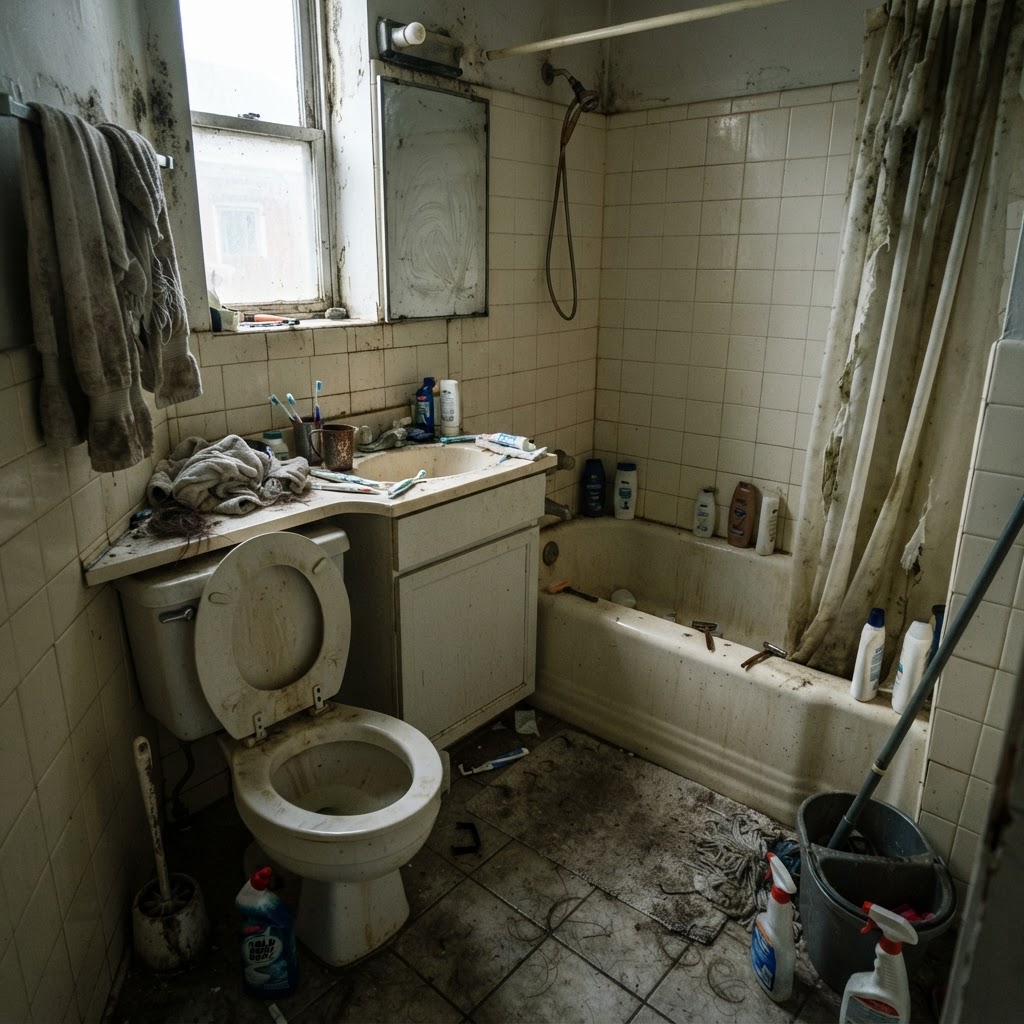
A rental property periodic inspection (also called a routine inspection) is a scheduled assessment carried out by a property manager or inspector during a tenancy — typically every 3 to 6 months — to verify the property's condition, identify maintenance issues, and confirm tenant compliance with lease obligations. Unlike move-in or move-out inspections, periodic inspections happen while the tenant is in residence, making the scope and approach distinctly different.
Key takeaways
- Periodic inspections differ from entry/exit inspections: the focus is on maintenance, habitability, and lease compliance — not damage attribution.
- Most Australian states require 24–48 hours' written notice before entry; the UK requires at least 24 hours; US requirements vary by state but 24–48 hours is standard.
- A thorough periodic inspection covers structure, roof, plumbing, electrical safety, fire compliance, appliances, exterior, and any tenant-requested maintenance.
- Photographic documentation tied to specific rooms and items is essential for defensible records under residential tenancy legislation.
- AI-assisted tools like Inspectra AI can convert voice notes and site photos into structured reports in minutes, reducing admin time significantly.
What Is a Periodic Rental Inspection?
A periodic inspection (sometimes called a routine inspection or mid-tenancy inspection) is a scheduled walkthrough of an occupied rental property. Its purpose is threefold:
- Maintenance identification — catching issues before they become costly repairs.
- Habitability confirmation — ensuring the property remains safe and liveable under applicable housing standards (e.g., AS 4349.1-2007 in Australia, the Homes (Fitness for Human Habitation) Act 2018 in England, or local habitability codes in the US).
- Lease compliance verification — confirming the tenant is meeting obligations such as keeping the property reasonably clean, not subletting without permission, and not causing damage beyond fair wear and tear.
Property managers in Australia typically conduct periodic inspections every 3 months (subject to state limits — Queensland caps inspections at once per 3 months, Victoria at once per 6 months). In the UK, most managing agents conduct them every 3–6 months. In the US, frequency is largely governed by the lease agreement and state law.
What Inspectors Look For: Room by Room and System by System
Exterior and Grounds
The inspection starts outside. Inspectors assess:
- Roof condition — visible missing or damaged tiles, sagging gutters, blocked downpipes. A blocked downpipe can cause water ingress within a single heavy rainfall event.
- Walls and cladding — cracking, efflorescence (white salt deposits indicating moisture movement), peeling paint, or damaged render.
- Driveway and paths — trip hazards, cracking, or subsidence that could create a liability issue.
- Fencing and gates — structural integrity, pool fence compliance (mandatory under AS 1926.1-2012 in Australia and the Pool (Fencing) Regulations 2016 in the UK).
- Garden and lawns — whether the tenant is maintaining the grounds as required by the lease. Inspectors note overgrown vegetation near structures or drainage.
- Outbuildings and garages — condition of doors, locks, and any signs of unauthorised use or storage of hazardous materials.
Roof Space and Ceiling
Where accessible, a roof space check is valuable:
- Evidence of pest activity (rodents, possums, termites).
- Insulation condition and coverage — important for energy efficiency obligations in newer leases.
- Water staining on rafters or sarking indicating active or historical leaks.
Living Areas and Bedrooms
Inspectors move through each habitable room checking:
- Walls and ceilings — new cracks (hairline vs. structural), water staining, mould growth. Any crack wider than 3mm or a stepped crack in masonry warrants a note and potentially a follow-up specialist inspection.
- Floors — condition of carpet (staining, wear), hardwood (scratches, lifting boards), or tiles (cracked grout, loose tiles).
- Windows and doors — ease of operation, condition of locks and latches, damaged flyscreens, cracked glazing.
- Smoke alarms — inspectors verify placement, expiry dates (most photoelectric alarms have a 10-year lifespan), and test function where permitted. In Queensland, interconnected photoelectric alarms are mandatory in all rental properties under the Fire and Emergency Services (Domestic Smoke Alarms) Amendment Act 2016.
- Light fittings — damaged covers, missing globes, or exposed wiring.
Kitchen
The kitchen carries high maintenance risk due to moisture and appliance use:
- Rangehood and exhaust — grease build-up, filter condition, and fan operation.
- Oven and cooktop — condition and cleanliness (excessive grease build-up can be a fire hazard).
- Sink and tapware — leaks under the sink, tap washer condition, drainage speed.
- Cabinetry — hinge condition, laminate lifting, signs of water damage at the base of sink cabinets.
- Splashback and benchtop — cracked tiles, lifting silicone seals that allow water ingress.
Bathrooms and Laundry
Moisture management is the primary concern:
- Grout and silicone — failed silicone around the bath or shower allows water to penetrate wall cavities. This is one of the most commonly missed defects in periodic inspections.
- Ventilation — exhaust fan operation, evidence of condensation-related mould on ceilings. Mould in bathrooms is a habitability issue under most tenancy legislation if caused by inadequate ventilation rather than tenant behaviour.
- Taps and showerheads — dripping taps waste significant water (a single dripping tap can waste 20,000 litres per year) and may indicate worn washers or cartridges.
- Toilet — cistern function, base seals, pan condition.
- Laundry connections — washing machine hose condition (rubber hoses degrade and should be replaced every 5 years), dryer venting.
Plumbing and Hot Water
Inspectors don't pressure-test systems during a periodic inspection, but they do:
- Check for visible leaks at accessible pipe connections.
- Note hot water system age and condition — systems over 10 years old in Australia should be flagged for the owner.
- Inspect tempering valves where required (mandatory for rental properties in most Australian states, set to deliver water at no more than 50°C to sanitary fixtures).
Electrical Safety Checks
Inspectors are not licensed electricians, but a periodic inspection should include:
- Confirming RCD (residual current device) or GFCI (ground fault circuit interrupter) protection is present for wet areas — required under AS/NZS 3000:2018 in Australia.
- Noting any visible damage to powerpoints, switches, or light fittings.
- Checking the switchboard for labelling and any obvious DIY modifications.
- In the UK, a valid Electrical Installation Condition Report (EICR) is required at least every 5 years for rental properties under the Electrical Safety Standards in the Private Rented Sector (England) Regulations 2020.
Heating and Cooling
- Filter condition in ducted or split-system air conditioning units — dirty filters reduce efficiency and can cause system failure.
- Gas heater servicing records — in Victoria, gas heaters must be serviced every 2 years under the Residential Tenancies Regulations 2021.
- Any unusual noise, odour, or reduced performance from HVAC units.
Fire Safety Compliance
Beyond smoke alarms, inspectors check:
- Carbon monoxide alarms in properties with gas appliances — mandatory in several US states, Scotland, and increasingly required across Australia.
- Fire extinguisher presence and service tags in strata or multi-unit properties.
- Clear egress paths — no furniture or storage blocking exit routes.
Documenting the Inspection Properly
Documentation quality determines whether the report is useful for maintenance management, tenancy disputes, or insurance purposes. Best-practice documentation for periodic inspections includes:
| Element | Standard to meet |
|---|---|
| Photos | Geotagged, timestamped, with item-level captions |
| Condition ratings | Consistent scale (e.g., Good / Fair / Poor / Action Required) |
| Maintenance items | Specific description, location, and recommended action |
| Compliance notes | Reference to relevant legislation or standard |
| Tenant communication | Record of any items discussed with tenant on the day |
A report that simply states