All articlesvehicle inspection
Vehicle Inspection Standards: A Compliance Guide for 2024
Inspectra AI Team September 28, 2026 7 min read
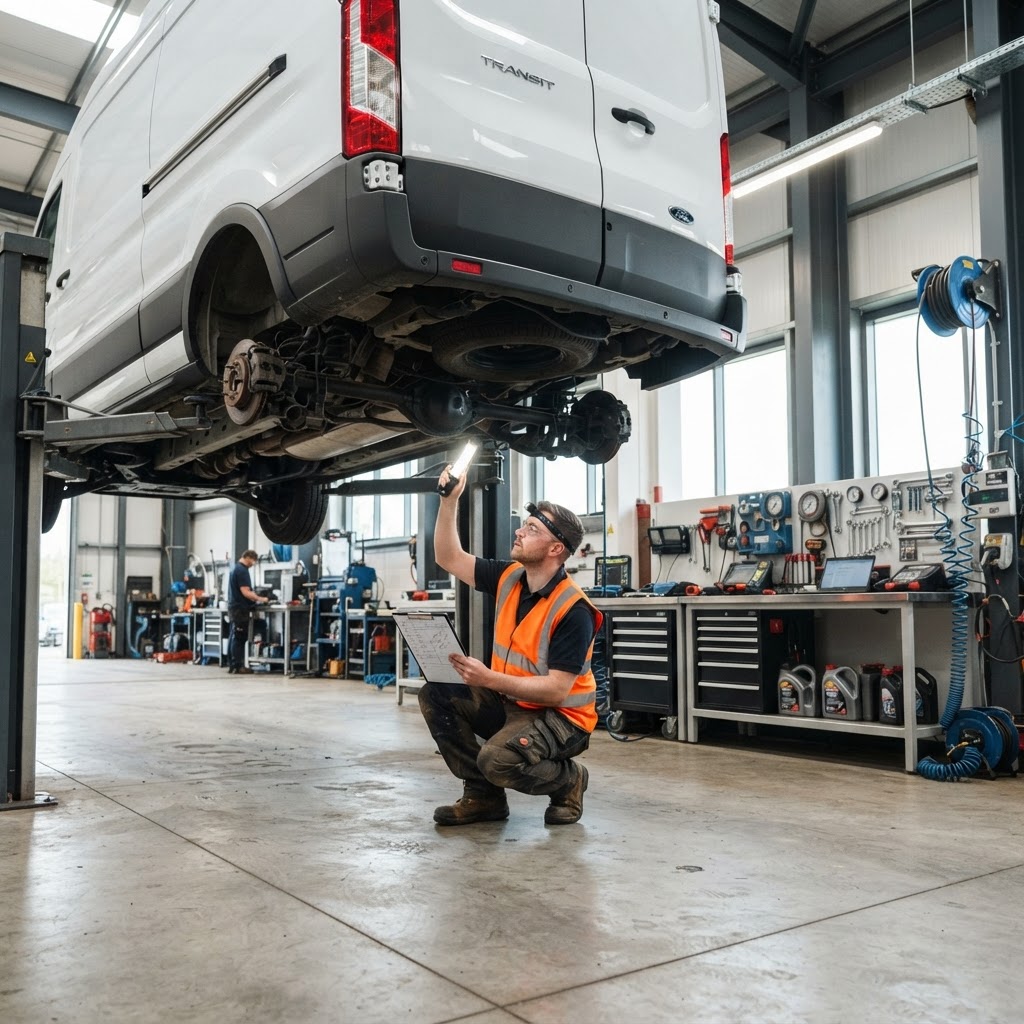
Vehicle inspection compliance means meeting the legal, safety, and documentation requirements set by relevant authorities in your jurisdiction — and the specific standards vary significantly between Australia, the US, and the UK. Failing to inspect to the correct standard can void insurance claims, trigger regulatory penalties, and — in the worst cases — put lives at risk. This guide breaks down what each standard requires, where the obligations sit, and how to document inspections correctly.
Vehicle inspection standards define three things: who is authorised to inspect, what must be checked, and how findings must be documented. Standards differ depending on whether the inspection is:
Each type has its own trigger, frequency, and reporting format.
In Australia, vehicle inspection is governed at the state and territory level — there is no single national standard for light vehicles. The common frameworks are:
| State/Territory | Scheme Name | Regulator | |---|---|---| | New South Wales | Pink Slip (eSafety Check) | Transport for NSW | | Victoria | Certificate of Roadworthiness | VicRoads / Transport for Vic | | Queensland | Safety Certificate | TMR Queensland | | Western Australia | Vehicle Examination | DoT WA | | South Australia | Roadworthy Certificate | DPTI SA | | ACT | Vehicle Safety Inspection | Access Canberra |
A Certificate of Roadworthiness (the term used in Victoria and broadly understood across states) confirms that a vehicle met minimum safety standards at the time of inspection. It is required when registering an unregistered vehicle, transferring ownership in some states, or returning a vehicle to the road after a statutory write-off re-inspection.
Inspections must be conducted by an Authorised Vehicle Examiner (AVE) — a licensed mechanic or workshop approved by the relevant state authority. Inspectors must record their licence number on any certificate issued.
For vehicles over 4.5 tonnes GVM, the Heavy Vehicle National Law (HVNL), administered by the National Heavy Vehicle Regulator (NHVR), applies across all participating states and territories (not WA or NT for all provisions). Key compliance obligations include:
The NHVR's vehicle standards align with the Australian Vehicle Standards Rules 2019, which replaced the old ADR (Australian Design Rules) references in roadworthiness assessments.
Pre-purchase vehicle inspections in Australia are not mandated by law but are governed by professional standards. The Royal Automobile Club (RAC), NRMA, RACQ, and independent inspection services typically follow a 200-point inspection checklist. For insurance purposes, insurers often require an agreed-value assessment conducted by an approved assessor — typically an Insurance Assessors Australia (IAA)-affiliated professional.
The US has no single federal vehicle inspection programme for private passenger vehicles. Instead, 17 states require periodic safety inspections, including Texas, Virginia, New York, and Pennsylvania. States that require them typically mandate:
States without mandatory inspections (e.g. Florida, California for safety — though California has emissions-only smog checks) rely on law enforcement traffic stops to catch defective vehicles.
For commercial motor vehicles (CMVs) — broadly, vehicles over 10,001 lbs GVWR used in interstate commerce — the Federal Motor Carrier Safety Administration (FMCSA) sets binding inspection requirements under 49 CFR Parts 390–396:
Carriers must retain annual inspection records for 12 months and DVIR records for 3 months.
For pre-purchase vehicle inspections, no single federal standard exists, but the International Association of Certified Home Inspectors (InterNACHI) publishes vehicle inspection standards of practice used by many independent inspectors. These are voluntary but widely referenced in insurance disputes and litigation.
The MOT test — named after the former Ministry of Transport — is the UK's mandatory annual vehicle inspection for most vehicles over three years old. It is administered by the Driver and Vehicle Standards Agency (DVSA) and carried out at DVSA-authorised test stations.
The MOT assesses approximately 65 inspection items across categories including:
Since May 2018, MOT outcomes are classified as Dangerous (vehicle must not be driven), Major (fail), or Minor (pass with advisory). This three-tier system replaced the previous binary pass/fail.
MOT certificates are issued digitally via the DVSA's MOT testing service and are publicly verifiable. Falsifying an MOT result is a criminal offence under the Road Traffic Act 1988.
Heavy goods vehicles (HGVs) and public service vehicles (PSVs) require an annual test conducted at a DVSA Authorised Testing Facility (ATF). These vehicles must also comply with DVSA Earned Recognition scheme requirements for operators who self-manage their maintenance, providing an alternative compliance pathway in exchange for reduced roadside checks.
Operators with a Standard National or International Operator's Licence must demonstrate a maintenance system that keeps vehicles in a fit and serviceable condition. This includes:
The Traffic Commissioner has authority to revoke or suspend an operator's licence for systemic inspection failures.
Regardless of jurisdiction, a compliant vehicle inspection report should include:
Missing any of these elements can result in a report being rejected by an insurer, regulator, or court. Inspectra AI structures reports to meet these documentation requirements automatically, pulling in field observations and photos into a formatted, auditable output.